

Surface treatments
CADskills foresees several features to increase the biocompatibility of all implants, and optimal surface properties.
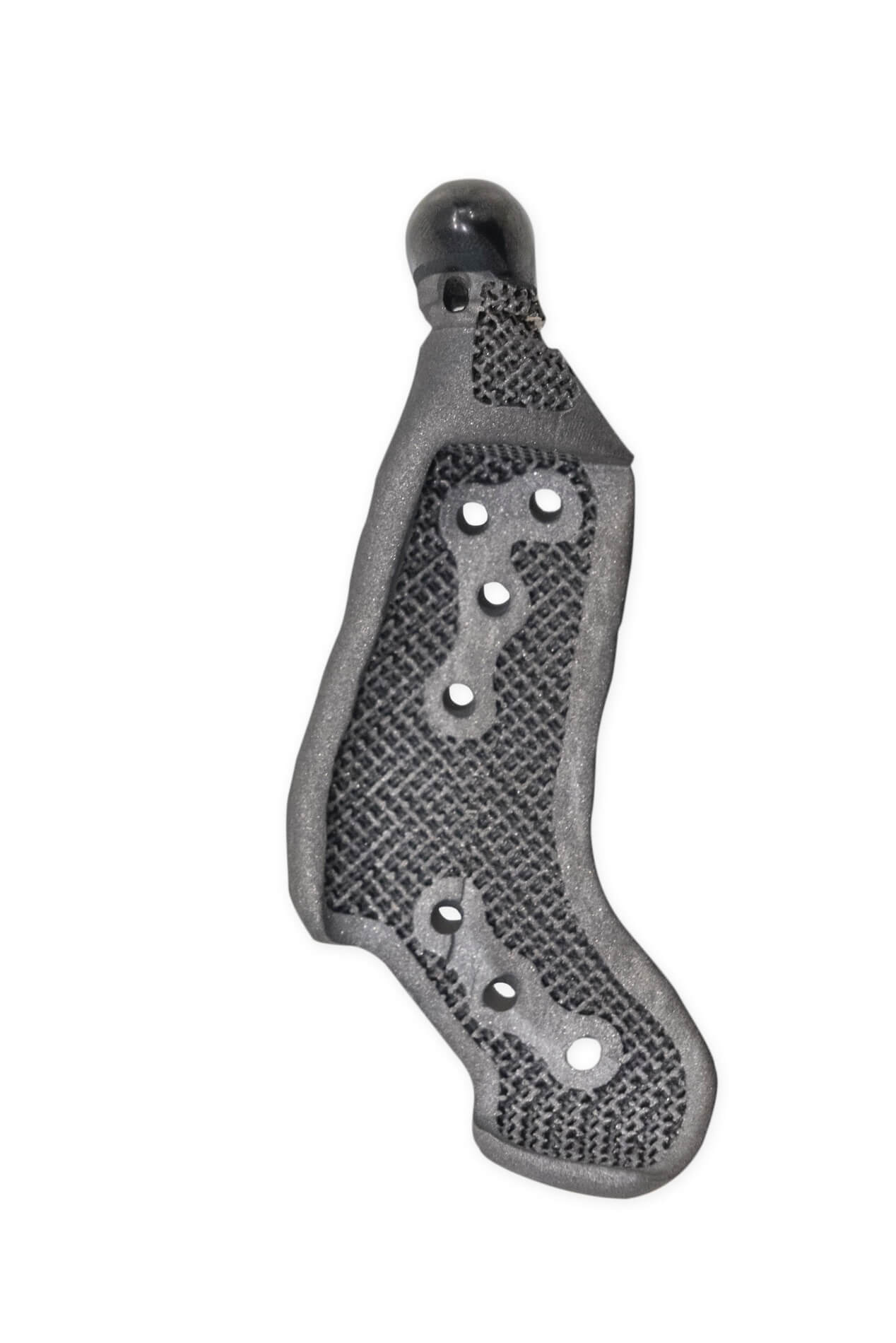
Scaffold
The 3D printed porosities of a defined volume provide secondary stability by osteointegration, and provides a means of enthesis reconstruction, meaning muscle reattachment in the TMJ prosthesis. This allows the patient to really chew and cut, not just to open the mouth and to be without pain.
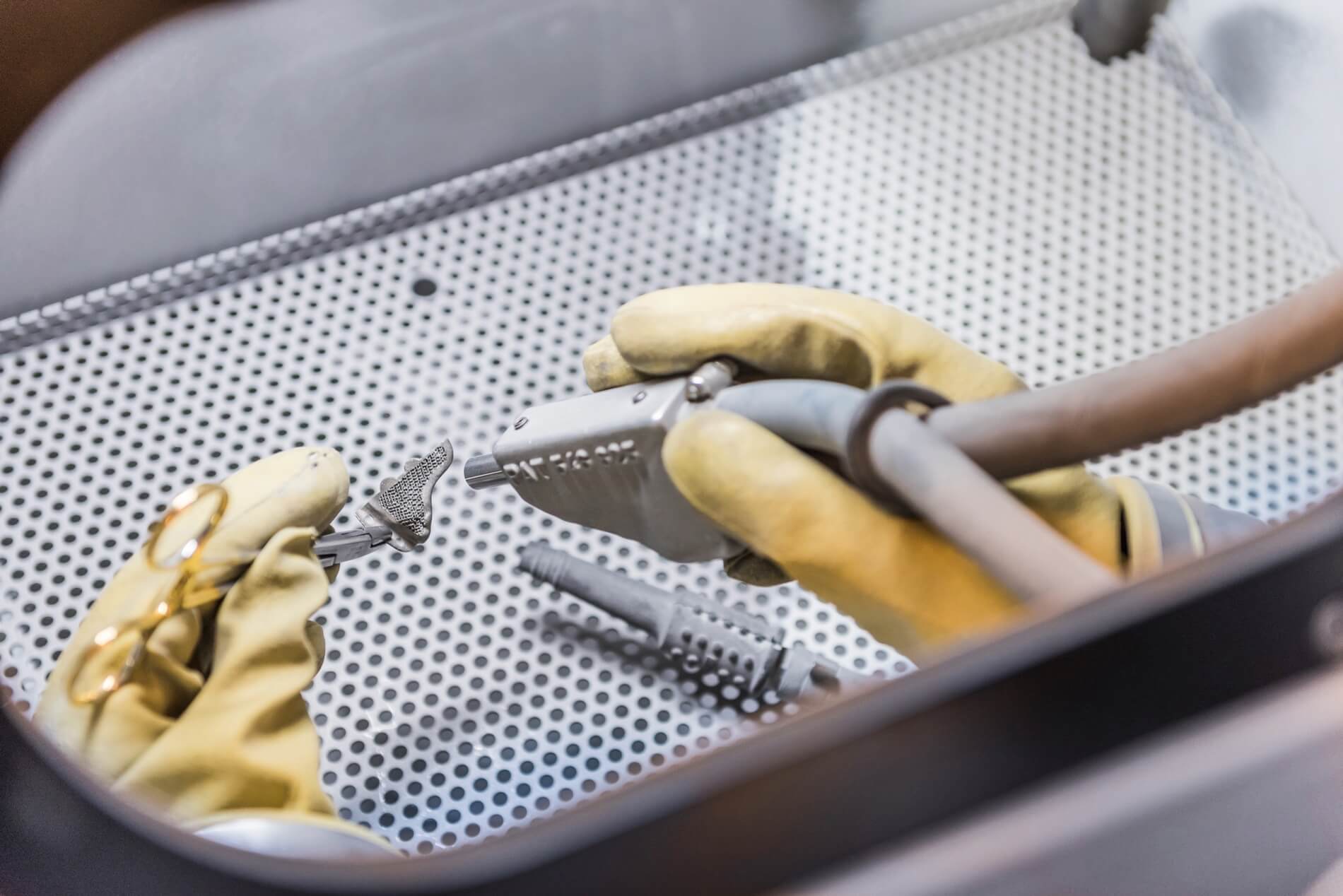
Micro-shot peening
The lateral surface is micro-shot peened.

Acid etching
Acid etching further promotes osteoconductivity.
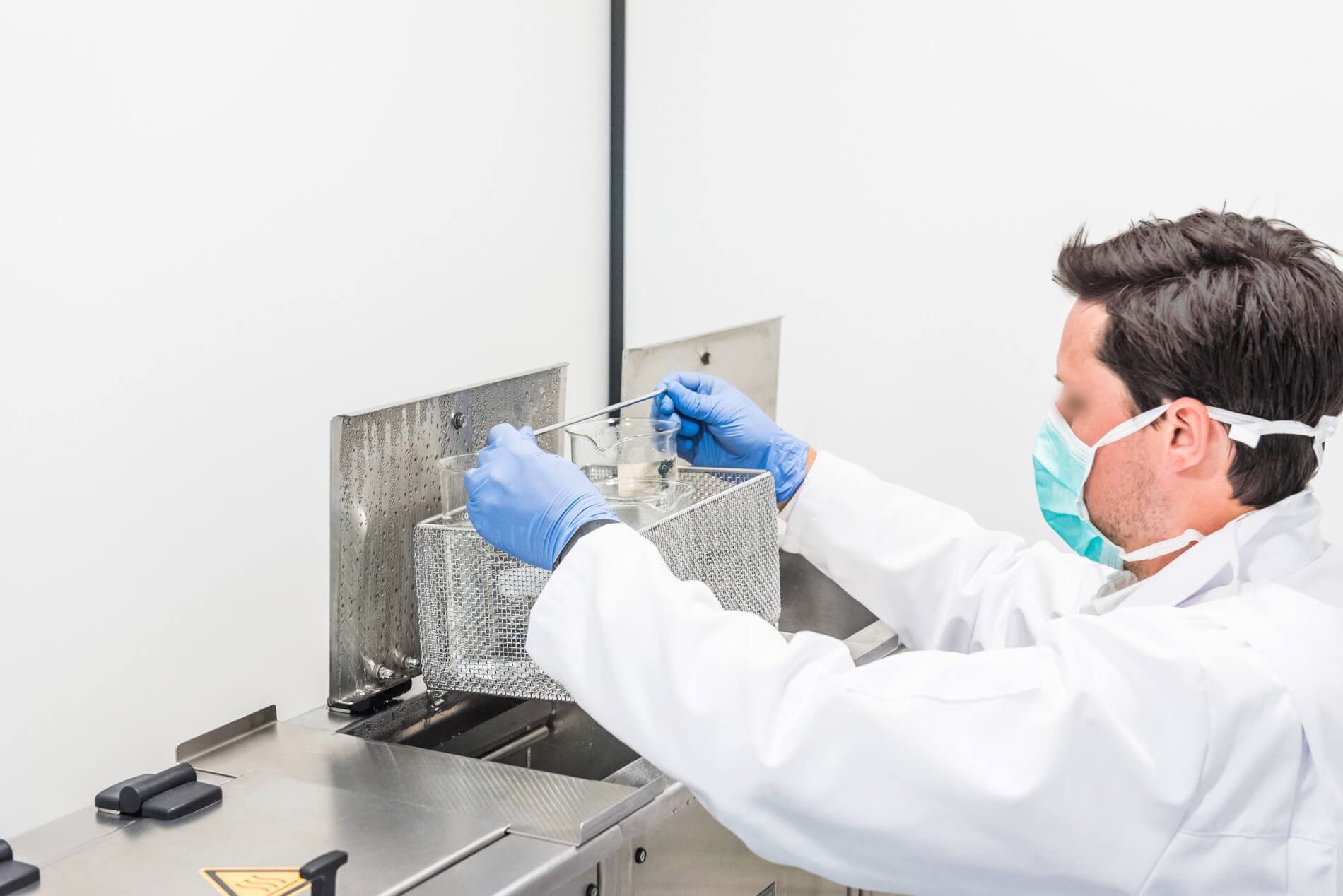
Ultrasonic cleaning
Implosion of the bubbles removes an endless variety of contaminants in a gentle way.
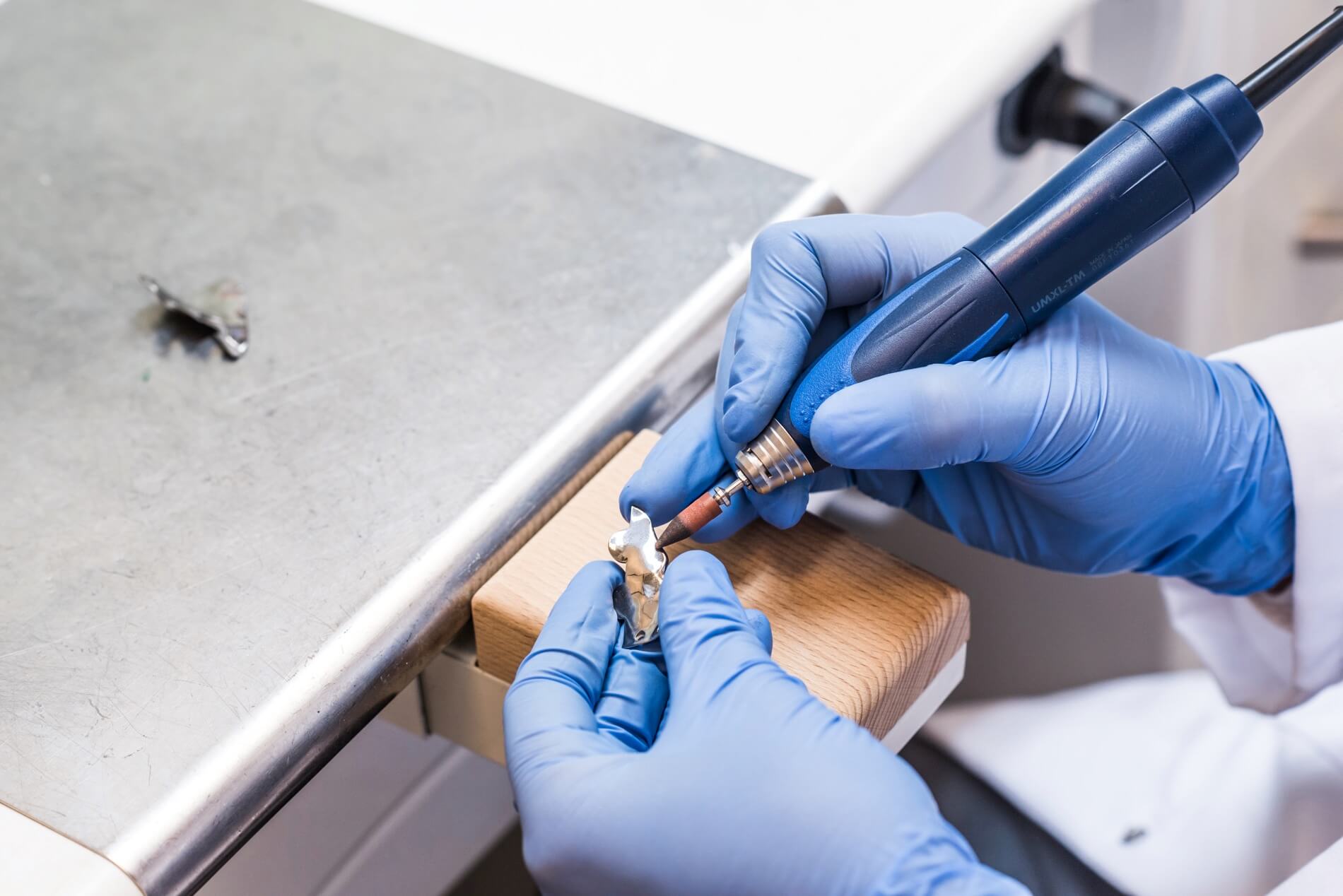
Polishing
The surface of the implant that is not in direct contact with bony material, can be highly polished if desired by the surgeon.
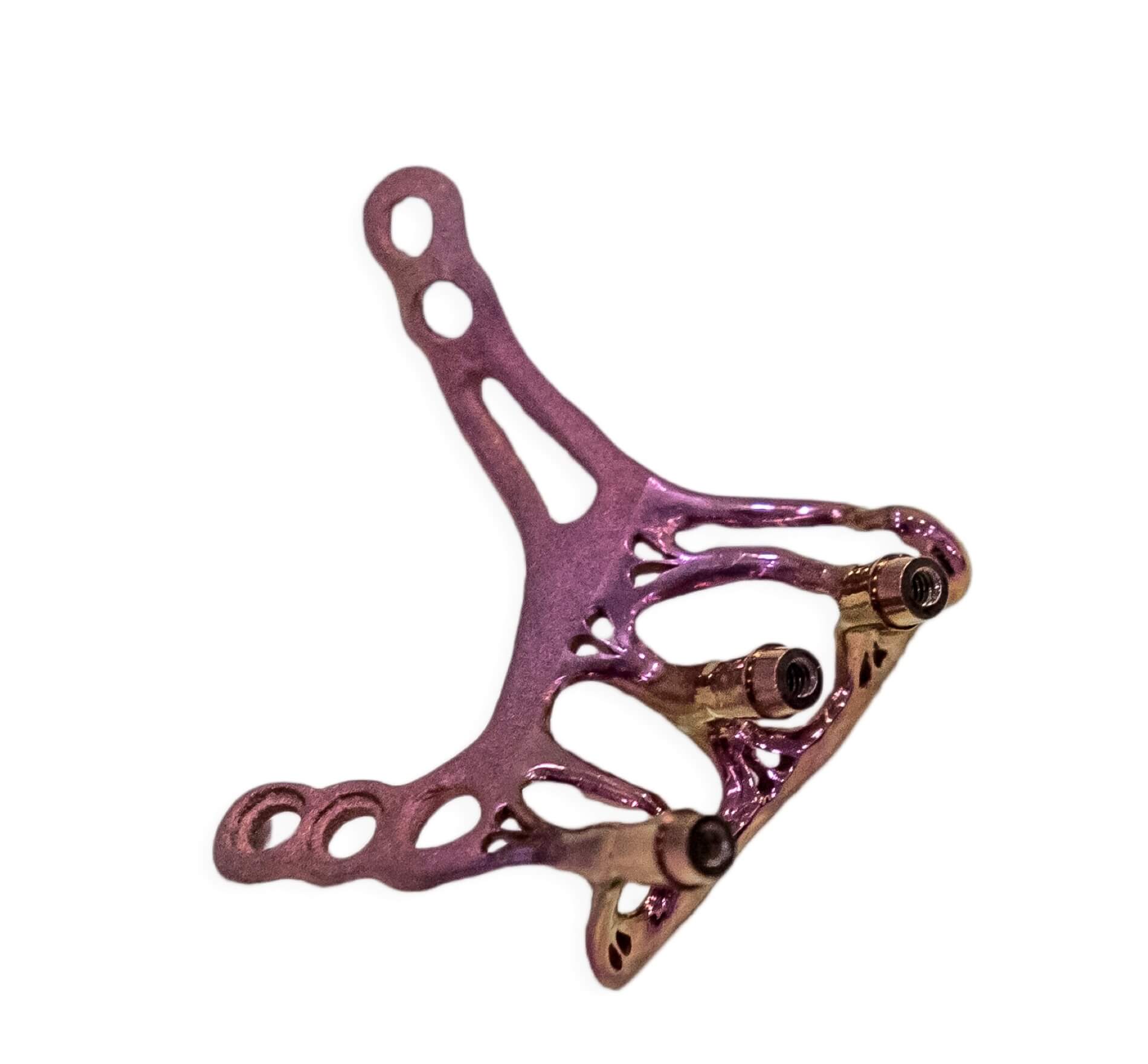
Anodising
The AMSJI implant will be anodized to make it “pinkish” for aesthetic reasons.
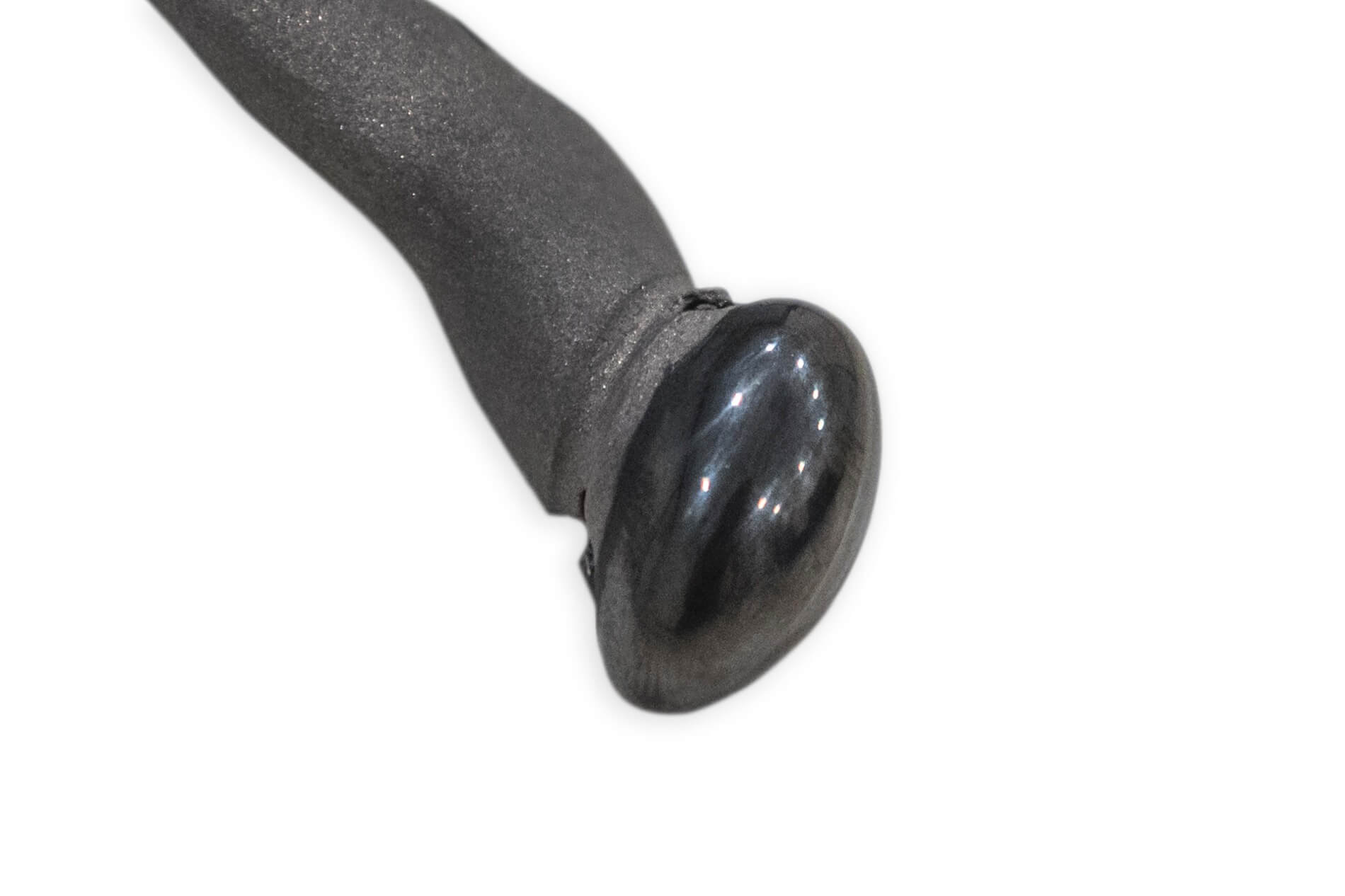
HadSat® coating
The condylar head of our TMJ prosthesis is coated with a HadSat® coating to improve wear resistance and have lower friction between the two articulating surfaces.